A sold-out Travel Market Place wrapped up in Vancouver on Wednesday (March 6) after a packed two days of knowledge sharing and networking.
With around 300 travel advisors and 100 suppliers in attendance, this year’s conference featured more advisors presenting than ever before.
“It’s all about learning from those who walk in our shoes,” said master of ceremonies Geraldine Ree, an author and performance strategist with more than two decades of senior leadership experience in the travel industry…
More than 800 travel media professionals and representatives of global travel brands met at the Javits Center in New York from Jan. 24-25 for the International Media Marketplace and TravMedia Summit.
Over two action-packed days, PAX spoke to dozens of travel professionals to take the pulse of the industry…
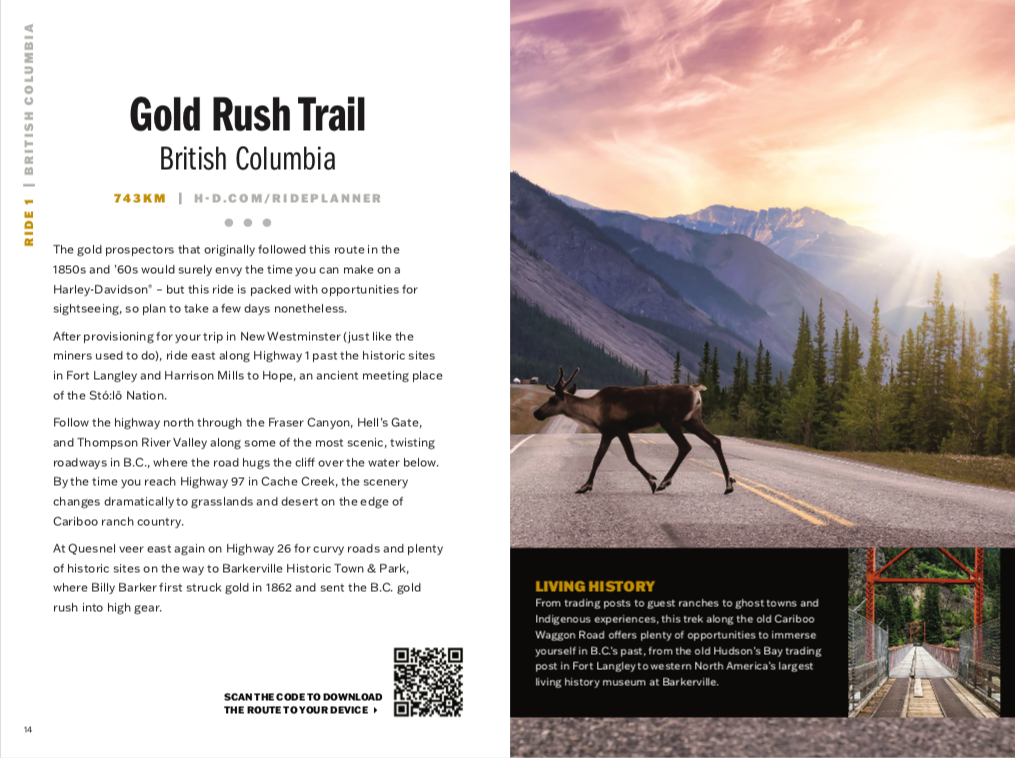
It’s always a pleasure to work with my long-time client Fresh Air Productions. This was our second year creating all content for the Harley Owners Group™ Membership Guide. Just like last year, I copy-editing the full guide as well as writing travel content for 10 epic Canadian rides – one for each province – as recommended by local riding experts in the regions.
Why an all-inclusive getaway is the best way to see Cuba
With white sand beaches, turquoise waters and an average 330 days of sunshine every year, Cuba is a long-time favourite destination for travellers looking to escape the Canadian winter.
But there’s more to Cuba than the beach: The island has nine UNESCO World Heritage sites, from the cobblestone streets of Old Havana to the lush green Viñales Valley…
I’ve enjoyed the thrill of a rollercoaster ever since my first trip to Disneyland, when I barely met the minimum height requirements. So when an invitation to the launch of Canada’s longest and fastest mountain coaster appeared in my inbox, I was ready to start packing my bags.
I had to wait a little longer than planned. Originally scheduled to launch in 2022, the Railrider Mountain Coaster at Golden Skybridge was delayed by highway closures and supply chain challenges last summer. The coaster finally opened on Monday, May 15, and I was among the first to climb aboard after the ribbon cutting…
Whistler’s annual fall festival of food and drink returns in November with 11 days of world-class dinners, tastings, and parties celebrating the bold tastes and tastemakers that make Cornucopia a can’t-miss experience.
Running from November 9 to 19, Cornucopia features more than 70 highly anticipated events, with something for everyone who wants to deepen their knowledge and experience of wine, beer, spirits, and great food – or simply to have unparalleled fun in one of the most beautiful places in BC…
The Sea to Sky corridor is an outdoor mountain adventure playground all year long. But as the colours start to change in the crisp autumn air, it’s the perfect time to slow down and take in the region’s abundant indoor and outdoor cultural attractions. As you explore the rich heritage of Whistler, Squamish, and Pemberton, you’ll come away with a new sense of connection to this spectacular getaway so close to home…
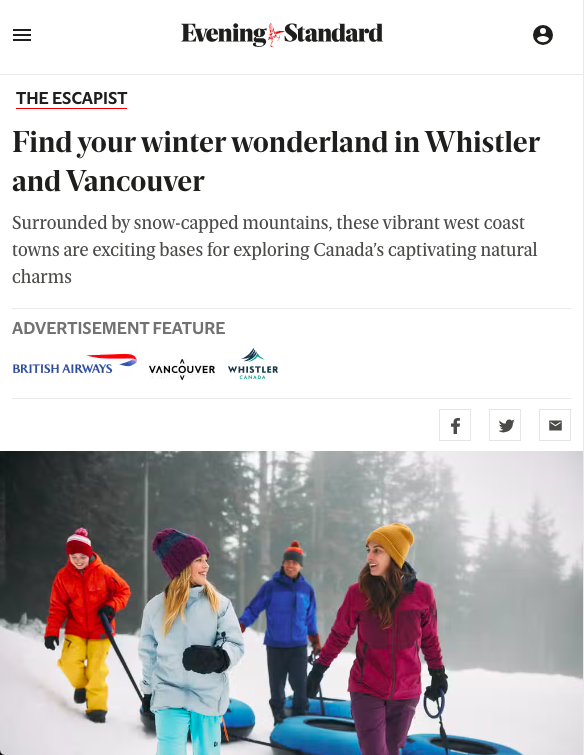
The sun sets early on west coast winter nights, leaving plenty of time to explore. At Whistler, Vallea Lumina is a 1km wooded path on which an immersive light installation combines storytelling with technical wizardry to create a once-in-a-lifetime experience for visitors of all ages…
When I moved to Amsterdam in 2018, I enrolled in Dutch classes and began mentally translating every word of Dutch I saw, from street signs to menus to the aisles at grocery stores. The language sometimes baffled me. I was particularly perplexed when I started noticing the word “kapsalon” on the menu boards of shawarma shops around town. I was sure kapsalon meant hair salon. Was this a looming snack stand–barbershop collaboration trend?
The ultimate Canadian summer vacation awaits in Edmonton and Jasper. With 18 hours of daily sunlight in North America’s northernmost metropolis, you can pack your days with city fun before heading into the mountains for a restorative outdoor adventure in the spectacular Jasper National Park.
Day 1: Feed your belly and your soul
Plan to arrive in Edmonton feeling hungry (and maybe a little thirsty, too). It’s patio season in the city, so join the locals for a beverage and a tasty meal in the sunshine…